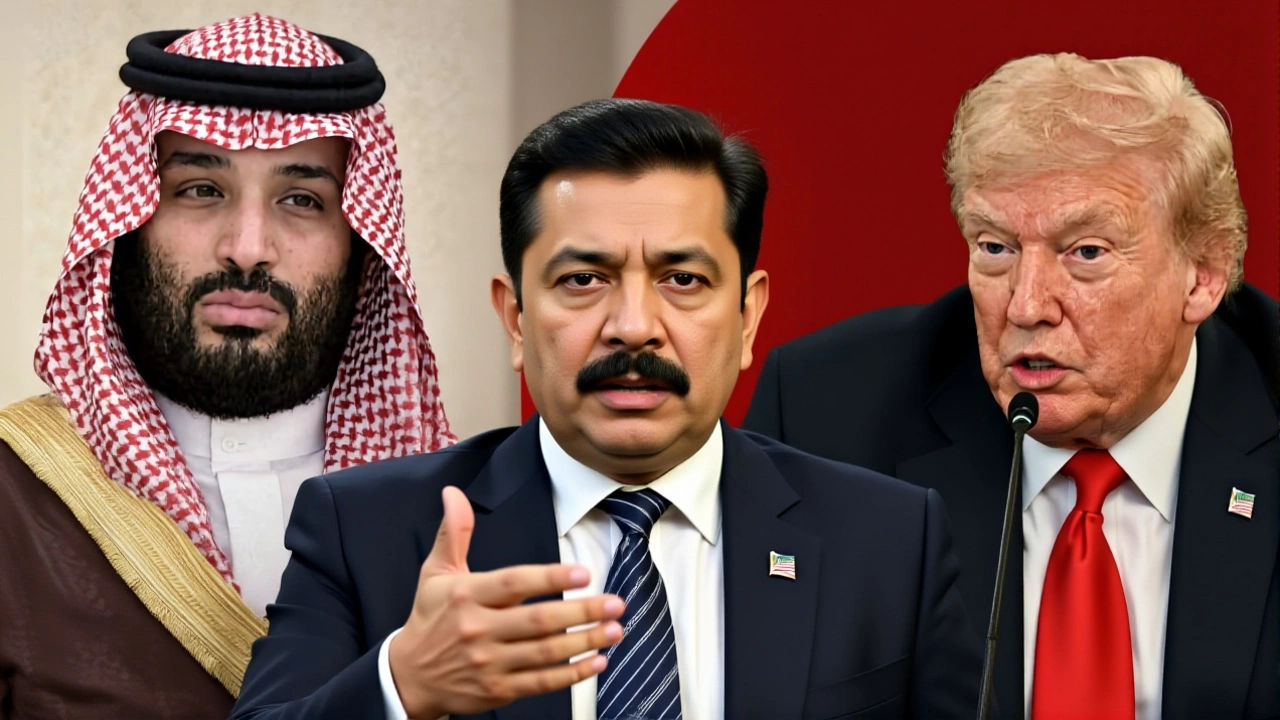
Washington is buzzing with a new diplomatic push that could reshape the entire Middle East. On May 25, 2026, Donald Trump, U.S. President, made an urgent public appeal for several Muslim-majority nations to join the Abraham Accords. The message was clear: normalize relations with Israel or risk being left out of post-conflict deals involving Iran.
Here’s the thing—this isn’t just another press release. It’s a high-stakes ultimatum delivered via social media and private phone calls. Trump explicitly named Saudi Arabia, Pakistan, Qatar, Turkey, Egypt, and Jordan as targets for this expansion. He framed joining the accords as a prerequisite for participating in any broader peace settlement ending tensions with Iran.
The Ultimatum on Truth Social
On Monday, May 25, Trump took to his platform, Truth Social, to lay out his demands. He didn't mince words. In a lengthy post, he urged these nations to "immediately sign" the Abraham Accords. The logic? If the conflict with Iran ends, the next logical step for regional stability is full normalization with Israel.
But wait—the twist is how he positioned this. Trump suggested that even Iran itself could be invited to join the accords if it chose to make a deal, calling it a matter of "honor." For the other nations, however, the tone was more coercive. U.S. Senator Lindsey Graham echoed these sentiments publicly, specifically highlighting Saudi Arabia, Qatar, and Pakistan as key players who need to come to the table.
This follows intense behind-the-scenes diplomacy. On May 23, Trump reportedly held phone conversations with leaders from the Gulf states. Sources indicate he made it clear that recognizing Israel is the price of admission for any future security guarantees or economic partnerships brokered by Washington.
Pakistan’s Sharp Rejection
Not everyone is buying into this narrative. Reports from Live Hindustan confirm that Pakistan has already rejected the proposal outright. Islamabad has historically maintained a strong stance on Palestinian rights, making a sudden pivot to recognize Israel politically toxic domestically. For Pakistani leadership, accepting Trump’s terms would mean alienating their own population and undermining decades of foreign policy consistency.
This rejection highlights the central tension in Trump’s strategy. While he views the Abraham Accords as a transactional tool for regional stability, many Muslim-majority countries see them as a betrayal of core geopolitical principles. The domestic backlash potential is enormous. Leaders in Riyadh, Ankara, and Islamabad are walking a tightrope between pleasing Washington and appeasing their own constituents.
Historical Context: What Are the Abraham Accords?
To understand the stakes, you have to look back. The original Abraham AccordsWashington D.C. were signed on September 15, 2020. Brokered by the previous Trump administration, they normalized relations between Israel and United Arab Emirates (UAE) and Bahrain. Later, Morocco and Sudan also joined the framework.
The agreement was named after the prophet Abraham, revered in Judaism, Christianity, and Islam, symbolizing shared Abrahamic heritage. Its goal was to foster peace, security, and economic cooperation through direct flights, embassies, and trade agreements. Proponents argue it has brought tangible benefits to member states, including increased investment and tourism. Critics, however, say it sidelined the Palestinian issue entirely.
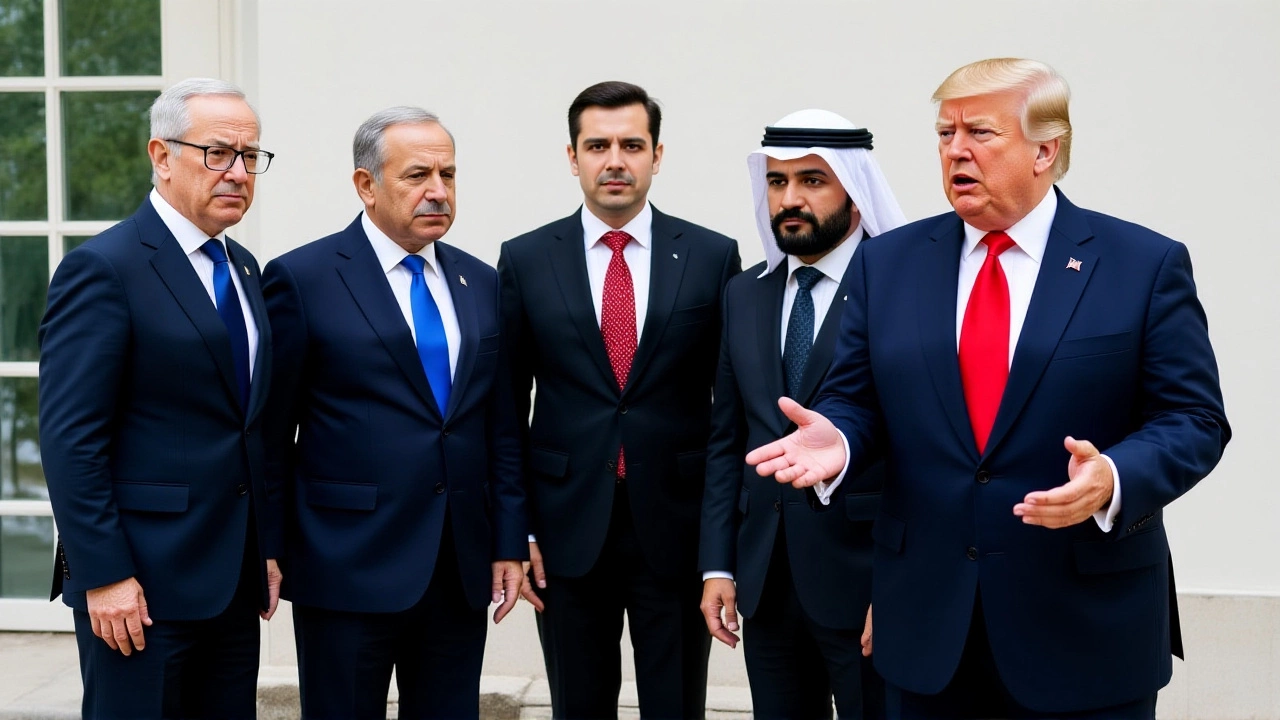
Why This Matters Now
The timing is no coincidence. With ongoing tensions between the U.S. and Iran reaching a critical juncture, Trump is attempting to lock in a broader coalition before any ceasefire or deal is finalized. By tying Iranian de-escalation to Israeli normalization, he aims to redraw the map of the Middle East in favor of Western-aligned powers.
Analysts describe this as "Abraham Accords 2.0." But unlike the first round, which involved smaller Gulf states, this push targets major regional powers like Saudi Arabia and Turkey. If successful, it would isolate Iran further and create a unified bloc against Tehran. If it fails, it could deepen fractures within the Muslim world and strain U.S. alliances.
The challenge for leaders in Riyadh and Ankara is balancing act. They want security guarantees against Iran but cannot ignore the political cost of abandoning Palestine. As one diplomat noted, "You can’t ask a king to sign away his legitimacy overnight."
What’s Next?
No specific timeline has been set for these negotiations. However, the pressure will only intensify as diplomatic talks with Iran progress. Watch for reactions from Saudi Crown Prince Mohammed bin Salman and Turkish President Recep Tayyip Erdoğan in the coming weeks. Their responses will determine whether Trump’s vision becomes reality or remains a diplomatic fantasy.
Frequently Asked Questions
Which countries are currently part of the Abraham Accords?
The founding members are Israel, the United Arab Emirates (UAE), and Bahrain. Morocco and Sudan later joined the agreement. Kazakhstan has also been mentioned in some reports as having participated in related frameworks, though its status varies by source.
Why is Donald Trump pushing for new members now?
Trump is linking membership in the Abraham Accords to broader peace efforts involving Iran. He argues that normalizing relations with Israel is essential for regional stability and should be a condition for any post-conflict settlement with Tehran.
Has Pakistan accepted the invitation to join?
No. According to recent reports, Pakistan has explicitly rejected the proposal. The government faces significant domestic opposition to recognizing Israel, given longstanding support for Palestinian rights and regional political dynamics.
What are the benefits of joining the Abraham Accords?
Members gain access to enhanced trade agreements, direct air links, technological collaboration, and security partnerships with Israel and its allies. Previous members like the UAE have seen boosts in tourism and foreign investment since joining.
How does this affect the Palestinian cause?
Critics argue that expanding the accords without addressing Palestinian statehood undermines their rights. Many Muslim nations fear that joining will be seen as abandoning Palestinians, leading to severe domestic political consequences.